recipes-to-try
Korean Bibimbap with Dolsot-Style Crispy Rice
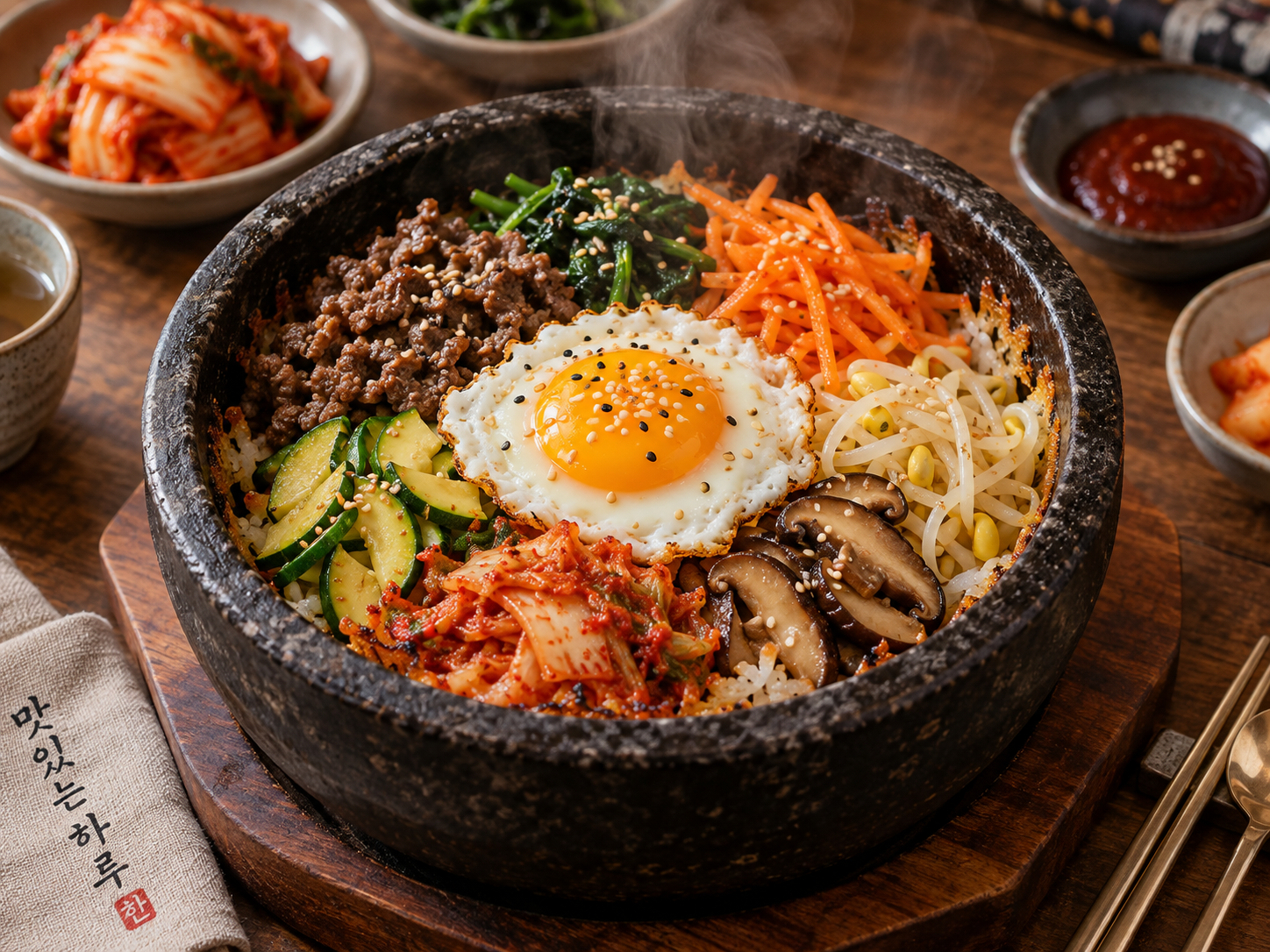
A colorful Korean rice bowl topped with savory beef, individually seasoned vegetables, a sunny-side-up egg, and a spicy-sweet gochujang sauce. This RizzieFarms version adds an easy dolsot-style finishing step in a hot skillet so the bottom layer of rice becomes golden and crisp, recreating one of the best features of traditional stone-bowl bibimbap without requiring a dolsot.
Ingredients
Rice
- 2 cups uncooked short-grain or medium-grain white rice
- Water, according to rice package directions
- 1 to 2 tablespoons neutral oil or sesame oil, for crisping the rice
Beef
- 1 pound thinly sliced beef or ground beef
- 2 tablespoons soy sauce
- 1 tablespoon toasted sesame oil
- 1 tablespoon brown sugar
- 2 cloves garlic, minced
- 1 teaspoon fresh ginger, grated
- 1 teaspoon sesame seeds
Vegetables
- 1 medium zucchini, cut into thin matchsticks
- 2 carrots, peeled and cut into thin matchsticks
- 8 ounces mushrooms, sliced
- 2 cups fresh spinach
- 1 cup bean sprouts
- 2 to 3 tablespoons neutral oil, divided
- 1 teaspoon toasted sesame oil
- Salt, to taste
Bibimbap Sauce
- 3 tablespoons gochujang
- 1 tablespoon toasted sesame oil
- 1 tablespoon rice vinegar
- 1 tablespoon honey or sugar
- 1 teaspoon soy sauce
- 1 teaspoon sesame seeds
- 1 to 2 tablespoons water, as needed to thin
For Serving
- 4 large eggs
- 1 teaspoon sesame seeds
- 2 scallions, thinly sliced
- Kimchi, optional
Instructions
- Cook the Rice Rinse the rice until the water runs mostly clear. Cook according to package directions. When finished, keep the rice warm.
- Marinate the Beef Combine the beef with soy sauce, sesame oil, brown sugar, garlic, ginger, and sesame seeds. Let stand for 15 to 30 minutes while preparing the vegetables.
- Make the Bibimbap Sauce Whisk together the gochujang, sesame oil, rice vinegar, honey or sugar, soy sauce, sesame seeds, and enough water to make a thick but spoonable sauce. Set aside.
- Cook the Vegetables Heat a little neutral oil in a large skillet over medium-high heat. Cook the zucchini for 2 to 3 minutes with a small pinch of salt, then remove. Repeat separately with the carrots and mushrooms so each vegetable keeps its own flavor and texture.
- Prepare the Spinach and Bean Sprouts Wilt the spinach briefly in the skillet or blanch it for about 30 seconds. Drain well, squeeze out excess moisture, and toss with a few drops of sesame oil and a pinch of salt. Cook the bean sprouts for 2 to 3 minutes until tender-crisp and lightly season with salt.
- Cook the Beef Heat the skillet over medium-high to high heat. Add the marinated beef and cook until browned and cooked through, allowing some edges to caramelize. Remove from the skillet and keep warm.
- Create the Dolsot-Style Crispy Rice Wipe out the skillet and add 1 to 2 tablespoons neutral oil or sesame oil. Spread the cooked rice evenly over the bottom and press it down lightly. Cook over medium heat without stirring for 5 to 8 minutes, until the underside becomes golden and crisp. Listen for a gentle crackling sound. For individual servings, divide the rice among lightly oiled small oven-safe skillets and crisp each portion over medium heat.
- Fry the Eggs Fry the eggs sunny-side up so the whites are set but the yolks remain soft.
- Assemble the Bibimbap Leave the crispy rice in the hot skillet or divide it among serving bowls. Arrange the beef, zucchini, carrots, mushrooms, spinach, and bean sprouts in separate sections over the rice. Place a fried egg in the center.
- Sauce, Mix, and Serve Spoon bibimbap sauce over each serving. Sprinkle with sesame seeds and sliced scallions. At the table, break the egg yolk and vigorously mix the rice, vegetables, beef, egg, and sauce together, scraping up pieces of the crispy rice from the bottom.
Notes
- Bibimbap means mixed rice, so the bowl is traditionally stirred thoroughly immediately before eating.
- Traditional dolsot bibimbap is served in a very hot stone bowl that crisps the rice against the sides and bottom. A cast-iron or heavy stainless-steel skillet gives a very good home version of the same effect.
- Do not stir the rice while it is crisping. Leaving it undisturbed is what creates the golden crust.
- For even more crunch, continue cooking the rice for another 1 to 2 minutes after you first hear it crackling, watching carefully so it does not burn.
- Short-grain Korean or Japanese-style rice gives the most traditional chewy texture, but medium-grain rice works well.
- Keep the individual vegetables separate during cooking and assembly. Their contrasting colors, flavors, and textures are part of classic bibimbap.